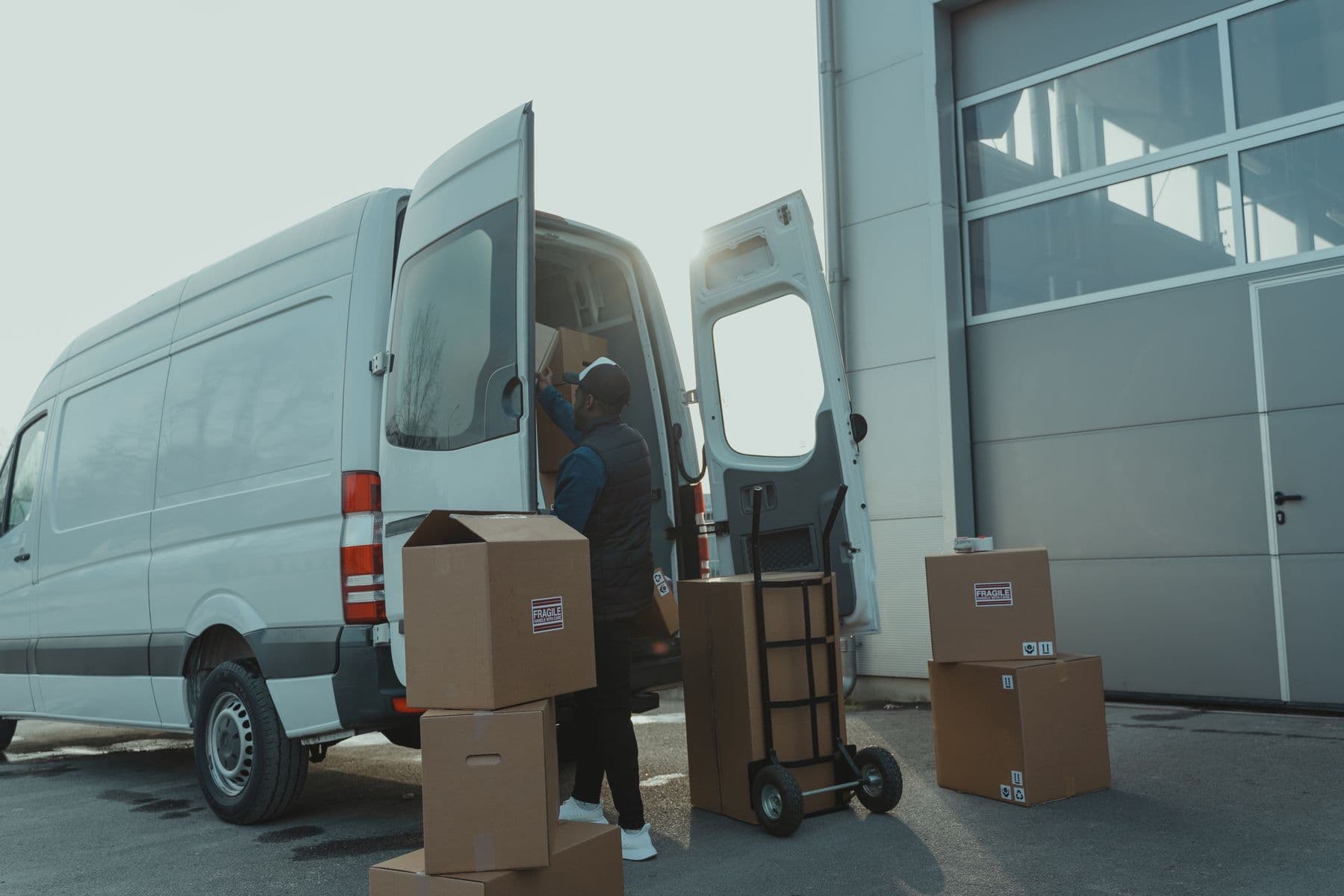
Define the production constraint
Record the line, part, stock position and latest useful arrival.
Manufacturing logistics
Parts moved against the real production constraint, with direct escalation and accountable handover.
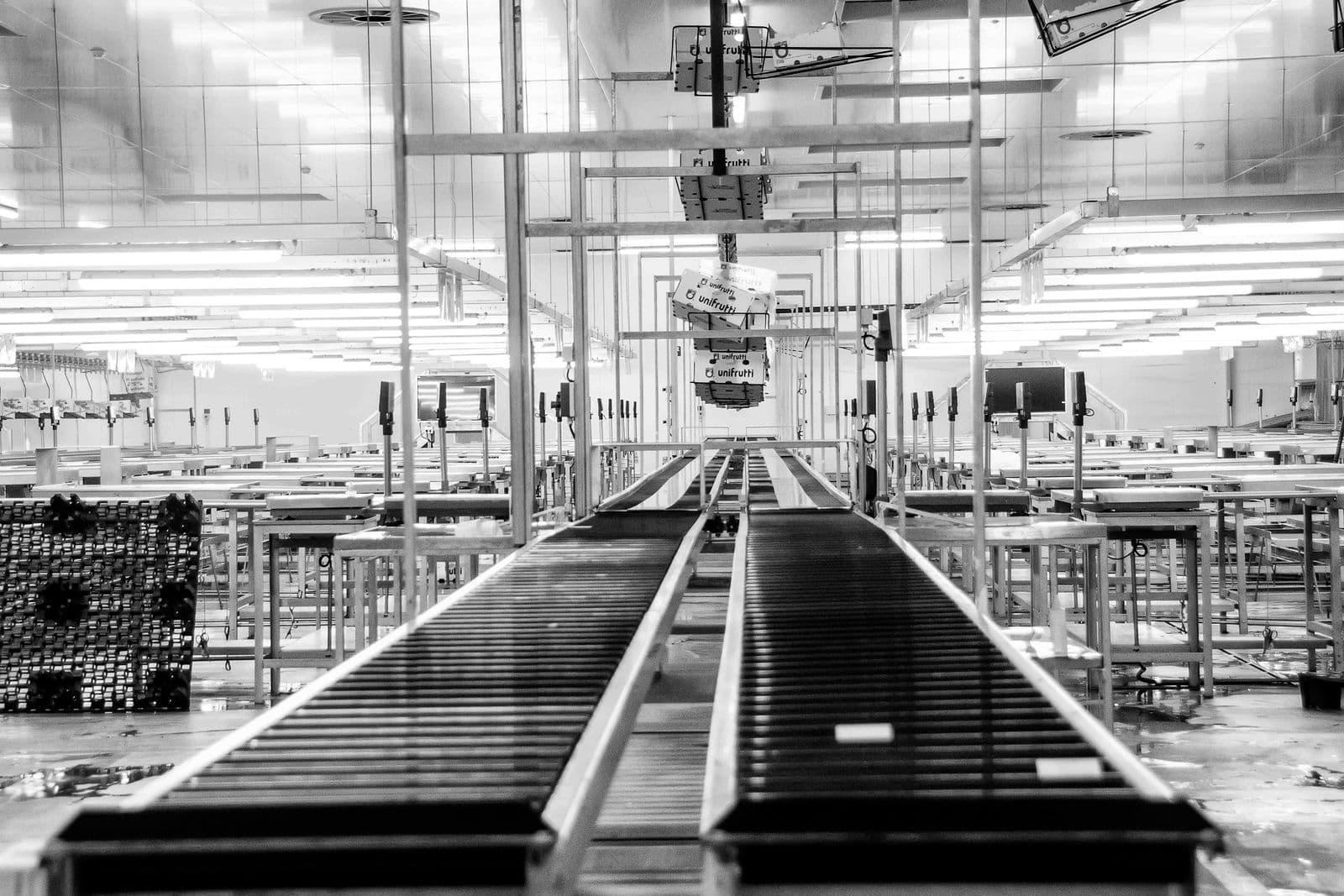
Priority
Line-stop and JIT
Routing
Supplier to line
Load model
Dedicated
Operations
Available 24/7
Operations needs the latest acceptable arrival, actual part release time, package dimensions, weight, supplier contact and exact receiving point. The commercial impact helps prioritisation, but dispatch depends on physical readiness and route feasibility. A vehicle sent before the part is released can consume the only available recovery margin.
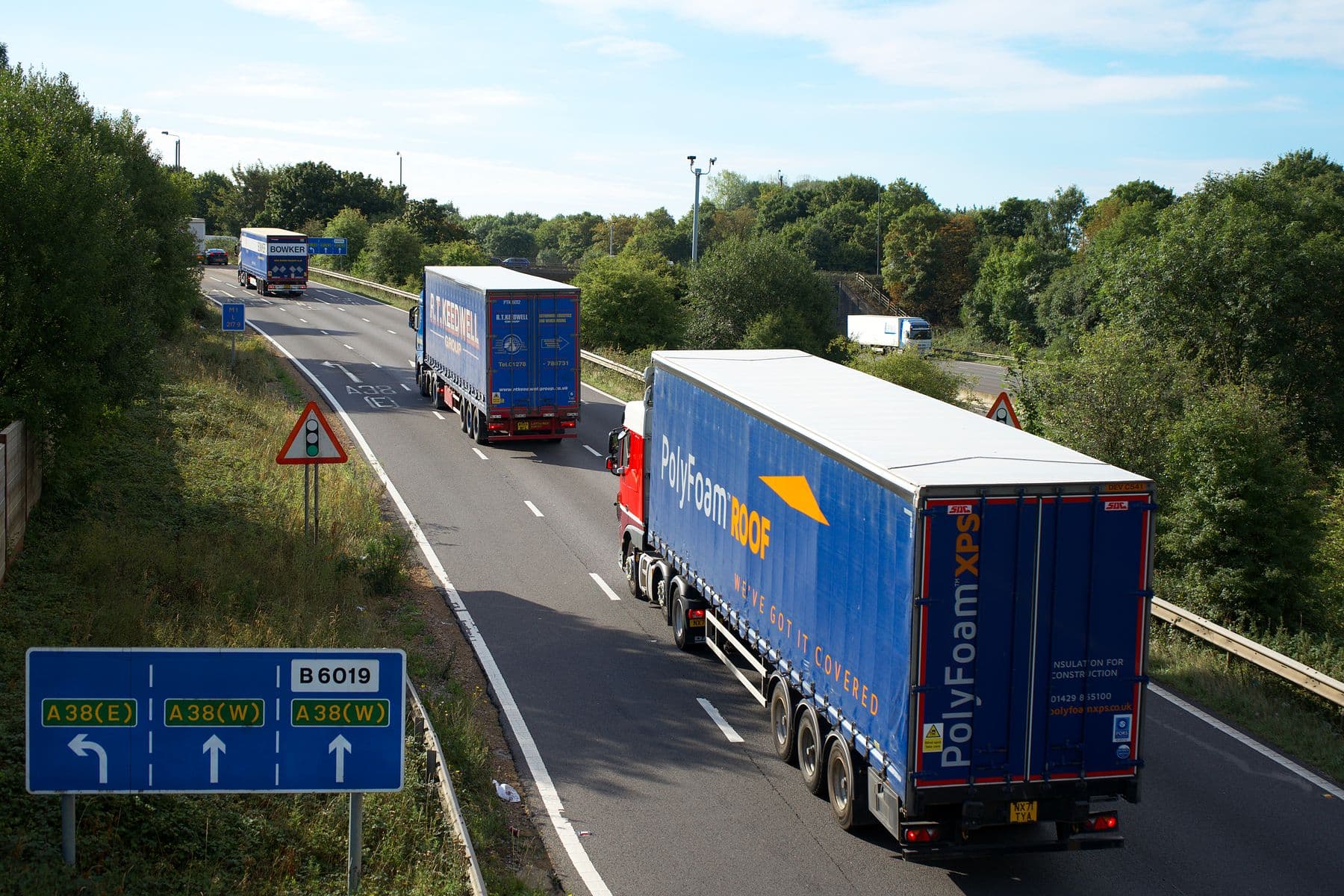
Operational control for manufacturing logistics
Compare options using end-to-end recovery time, not vehicle speed alone. Collection readiness, loading, border formalities, gate access, unloading and internal movement all affect when production receives the part. The best plan should state assumptions, decision deadlines and the operational consequence of each available route.
| Option variable | Decision test |
|---|---|
| Vehicle size | Fits the load and reaches collection fastest without unsafe capacity assumptions. |
| Route | Meets the deadline after legal and site constraints. |
| Border | Uses complete customs data before dispatch for international parts. |
| Handover | Delivers to the team that can return the part to production. |
How the movement is controlled
The transport desk confirms part release and the latest useful arrival before committing a vehicle. Collection, route and receiving contacts are aligned through one escalation chain. Updates focus on decisions, including release delay, revised arrival and site access, so production can manage labour, schedule and alternative recovery actions.
Record the line, part, stock position and latest useful arrival.
Confirm quantity, packaging, paperwork and actual goods-ready time.

Select the vehicle and route from the load and deadline.
Use the correct gate, stores or line-side contact and close with proof.
The transport desk confirms part release and the latest useful arrival before committing a vehicle. Collection, route and receiving contacts are aligned through one escalation chain so production can manage labour, schedule and recovery decisions.
Typical cargo
Record line, part, stock position and latest useful arrival.
Confirm quantity, packaging and actual goods-ready time.
Use the correct gate, stores or production contact.
Automotive and advanced manufacturing
Metals and engineering supply
Energy and industrial components
Route, timing, cargo, handling constraints and site conditions determine the usable vehicle plan. Complete information lets operations qualify the movement without avoidable assumptions.
Send the route, cargo and timing details. Operations will confirm the vehicle plan and any information still required.