ADR Van
For eligible packaged loads within the confirmed ADR controls.
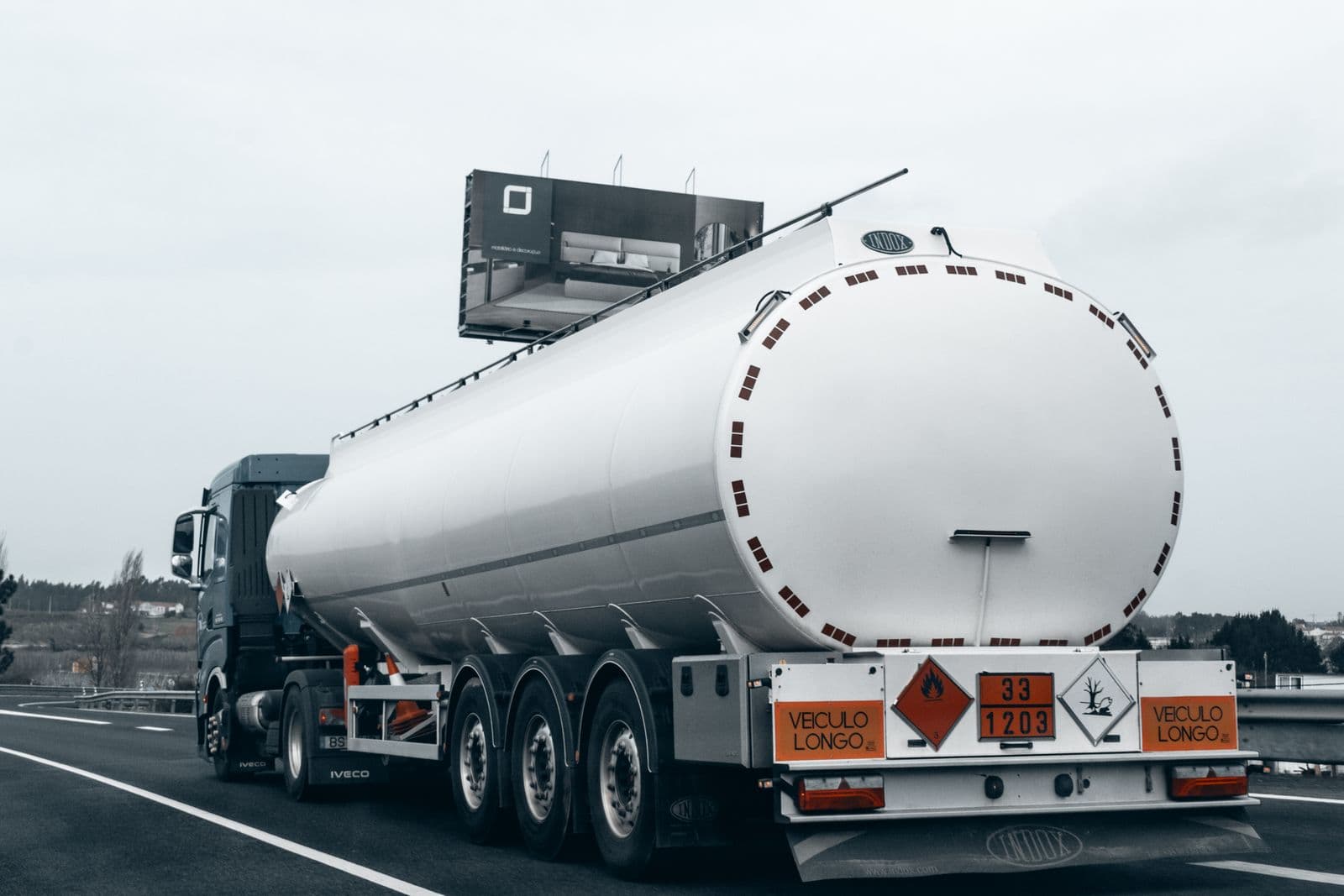
ADR road transport
Classification, quantity and packaging determine the transport plan before a vehicle is dispatched.
Dedicated capacity selected against the load, route, deadline and receiving conditions.
Classes
Eligible Classes 2-9
Drivers
ADR qualified
Coverage
UK and Europe
Routing
Restriction checked
The UN number, proper shipping name, class, packing group, quantity, packaging and tunnel code determine the applicable ADR controls. Limited-quantity or small-load exemptions may modify requirements, but they do not remove the consignor's duty to classify, package, mark and document the goods correctly before collection.
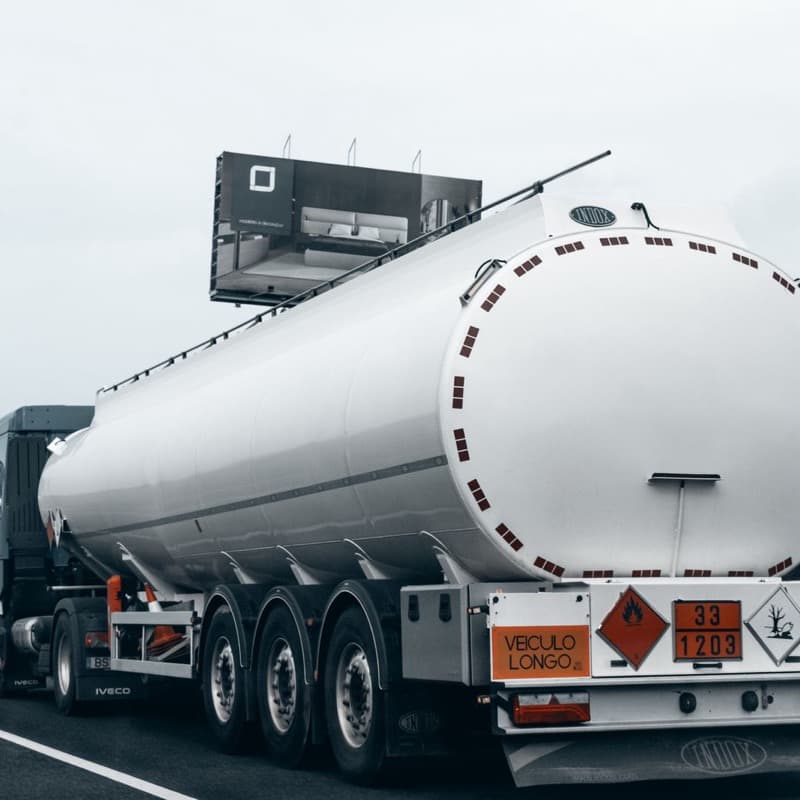
Vehicle equipment, placarding, driver qualification and route restrictions depend on the load profile and applicable thresholds. ADR tunnel categories run from A to E, with Category E carrying the greatest restrictions. Operations must compare the consignment's tunnel code with the planned route before departure.
| Control | Operational check |
|---|---|
| Driver | ADR training scope matches the class and transport method. |
| Vehicle | Required equipment, markings and certification are current. |
| Documents | Prescribed transport information and instructions are available. |
| Route | Tunnel, ferry, site and cross-border restrictions are checked. |

Send the goods-ready time, latest acceptable arrival, packed dimensions and total weight. Include access restrictions at both addresses and who will load and unload. Operations confirms the suitable vehicle and achievable timing before dispatch.
Provide the booking reference, arrival window and late-arrival procedure.
List each stop, its allocated goods, receiving window and contact.
Describe stairs, lifts, door widths and the final placement point.
State lifting, temperature or dangerous-goods requirements before a vehicle is selected.
Standard milestone updates follow the consignment from confirmation to delivery. Live GPS tracking can be provided on request, while operations remains the control point for progress and exceptions.
Operations checks the route, load, timing and contacts.
The allocated driver and collection plan are confirmed.
Collection is recorded and the direct movement begins.
Operations provides progress and exception updates.
Proof of delivery closes the transport record.
Proof of delivery records the recipient name, signature, delivery timestamp and photograph. The completed record is returned after handover.
*For suitable van bookings after confirmation, subject to driver and vehicle availability near the collection area.
Cargo acceptance remains subject to lawful classification, suitable packaging, accurate dimensions and weight, required documentation, vehicle availability and route conditions.
For eligible packaged loads within the confirmed ADR controls.
For larger palletised quantities requiring compliant equipment.
Full-load capacity where classification, route and vehicle requirements permit.
Eligible dangerous goods can move across the UK and Europe after classification, quantity, packaging, documentation and route checks are complete.
Browse all collection areas“Quotes generated in real quick time. Never had a job cancelled or unfulfilled. Great communication from office and all drivers helpful, very good rates. Highly recommended.”
Acceptance begins with classification and quantity data supplied by the consignor. Operations then check exemptions, vehicle requirements, driver scope, documentation and route restrictions. Dispatch occurs only after unresolved compliance questions are closed, with the driver receiving the job details and emergency information required for the movement.
Capture the UN number, shipping name, class, packing group, quantity and packaging method.
Assess thresholds, exemptions, vehicle equipment, placarding and driver qualification.
Check tunnel categories, ferry conditions, delivery-site rules and border documentation.
Return proof of delivery and retain the transport information required by the booking.
Quote preparation
Route, timing, cargo, handling constraints and site conditions determine the usable vehicle plan. Complete information lets operations qualify the work without avoidable assumptions.
Send the route, cargo and timing details. Operations will confirm the vehicle plan and any information still required.