LWB or XLWB Van
For sequenced carton, equipment and smaller pallet routes.
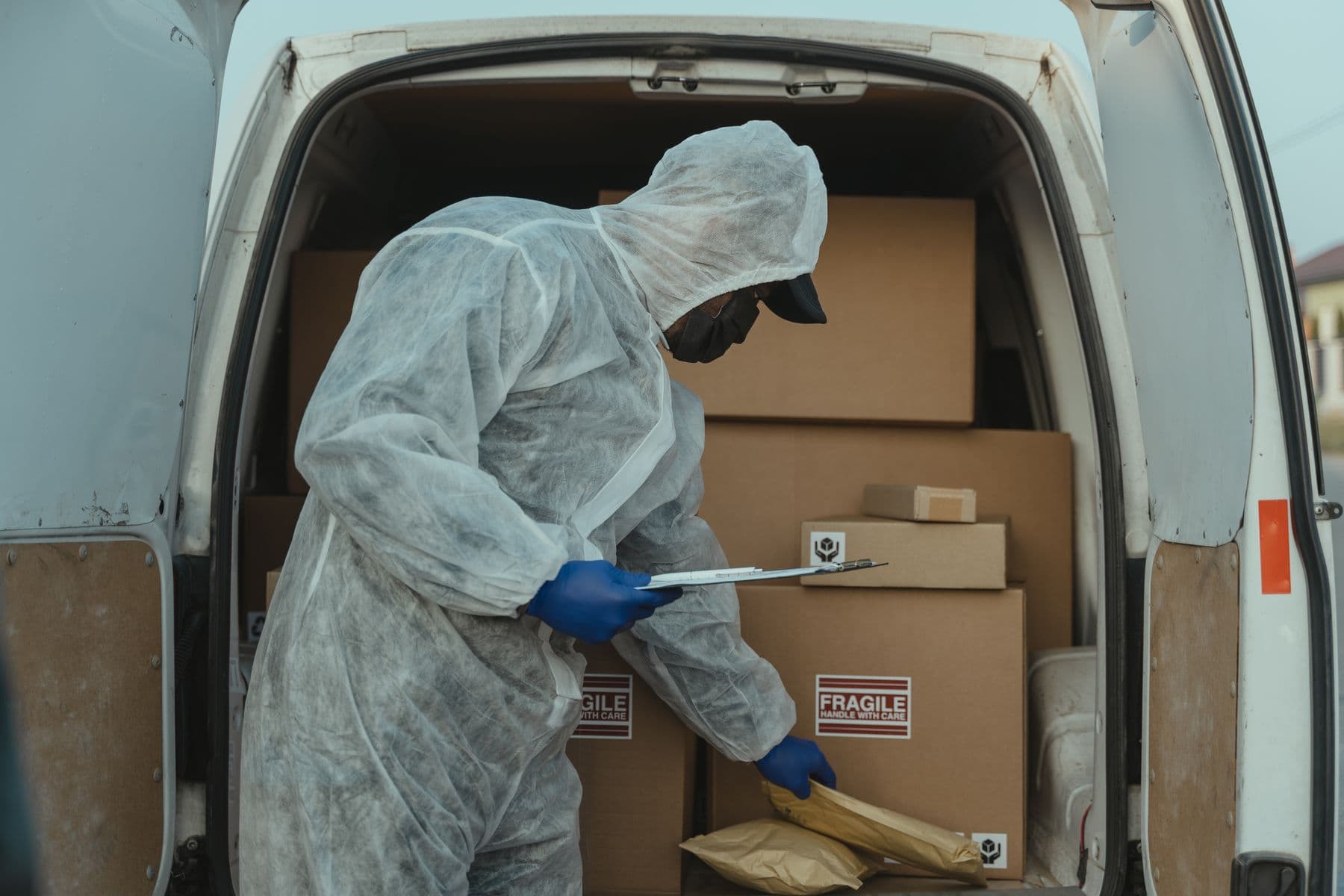
Dedicated route planning
One vehicle, multiple planned stops and an accountable delivery record for every location.
Route
Sequenced stops
Load model
Dedicated vehicle
Evidence
POD by stop
Coverage
UK wide
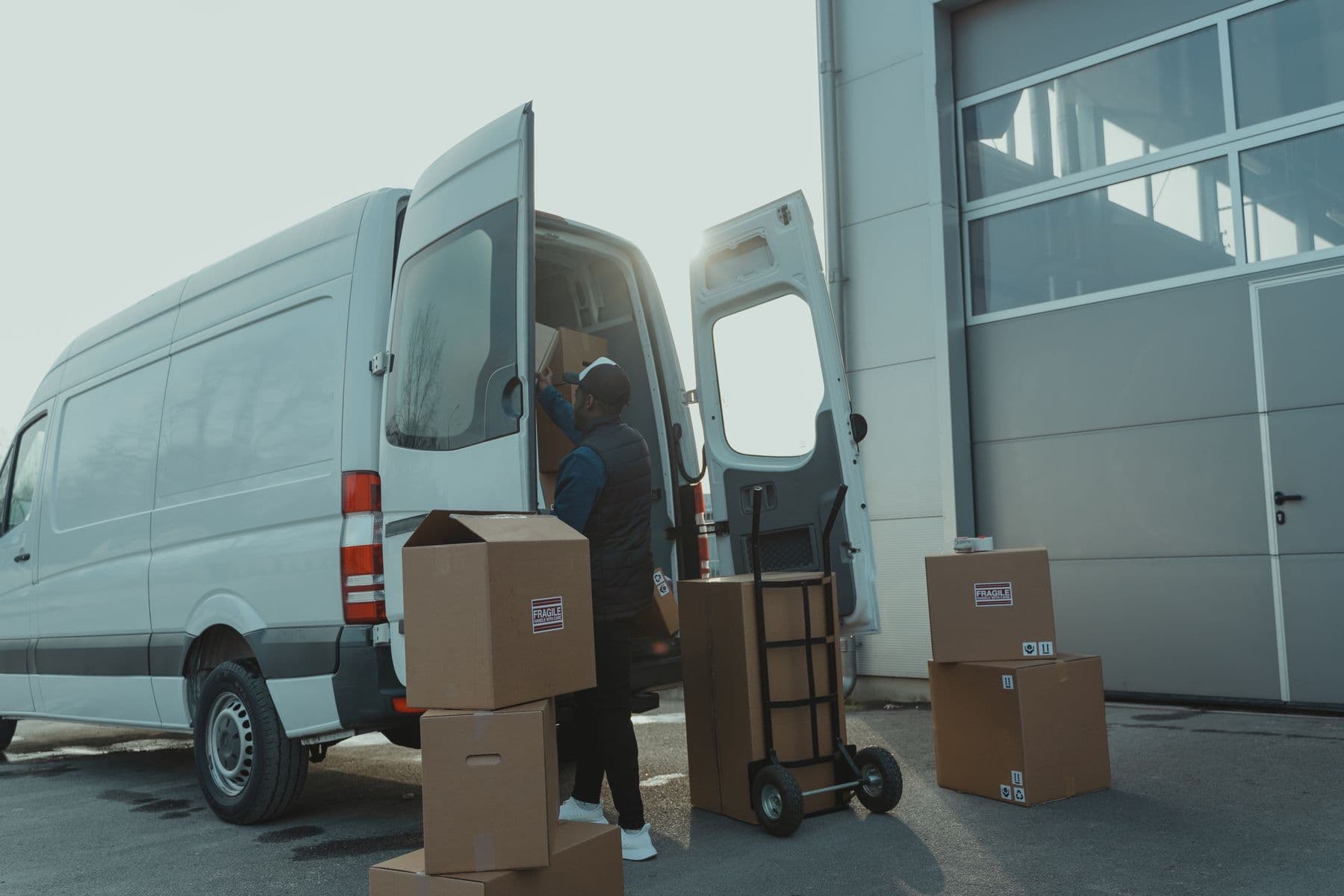
Delivery control 01
A dedicated route works best when delivery order, handling, timing or proof requirements matter more than parcel-network unit cost. One manifest stays with one vehicle, allowing operations to sequence time windows, protect mixed consignments and manage exceptions without transferring freight through depots or multiple delivery partners.

Delivery control 02
Route planning needs more than a postcode list. Each stop should include the delivery window, service time, package identity, vehicle access, contact, parking or booking instructions and failure rule. Operations can then balance geography against deadlines instead of producing the shortest route that misses operational constraints.
| Stop data | Planning purpose |
|---|---|
| Time window | Defines fixed and flexible points in the sequence. |
| Service time | Accounts for unloading, checks, signatures and site procedures. |
| Load identity | Supports loading in route order and prevents selection errors. |
| Failure rule | Sets whether to wait, reattempt, return or continue the route. |
Operations validates every stop before sequencing the route and loading the vehicle in practical delivery order. The driver works from one controlled manifest, records each outcome and escalates access or recipient failures immediately. Closeout reconciles delivered, refused, returned and outstanding items against the original dispatch record.
Remove duplicates and confirm addresses, windows, contacts and package references.
Sequence fixed deadlines first, then optimise geography, driving time and service duration.
Arrange freight so each stop can be identified and unloaded without disturbing later consignments.
Return proof, exception reasons, residual stock and an agreed completion record.
Send the goods-ready time, latest acceptable arrival, packed dimensions and total weight. Include access restrictions at both addresses and who will load and unload. Operations confirms the suitable vehicle and achievable timing before dispatch.
Provide the booking reference, arrival window and late-arrival procedure.
Describe stairs, lifts, door widths and the final placement point.
State lifting, temperature or dangerous-goods requirements before a vehicle is selected.
Standard milestone updates follow the consignment from confirmation to delivery. Live GPS tracking can be provided on request, while operations remains the control point for progress and exceptions.
Operations checks the route, load, timing and contacts.
The allocated driver and collection plan are confirmed.
Collection is recorded and the direct movement begins.
Operations provides progress and exception updates.
Proof of delivery closes the transport record.
Proof of delivery records the recipient name, signature, delivery timestamp and photograph. The completed record is returned after handover.
*For suitable van bookings after confirmation, subject to driver and vehicle availability near the collection area.
Cargo acceptance remains subject to lawful classification, suitable packaging, accurate dimensions and weight, required documentation, vehicle availability and route conditions.
For sequenced carton, equipment and smaller pallet routes.
For higher-volume routes with tail-lift requirements.
For larger national routes with suitable access at every stop.
Dedicated multi-drop routes can be built across the UK after every stop, time window, package allocation and access condition is checked.
Browse all collection areas“Great service, prompt communication back and even when my clients moved times and dates Same Day Courier adjusted with no fuss. Brilliant service.”
Quote preparation
Route, timing, cargo, handling constraints and site conditions determine the usable vehicle plan. Complete information lets operations qualify the work without avoidable assumptions.
Send the route, cargo and timing details. Operations will confirm the vehicle plan and any information still required.