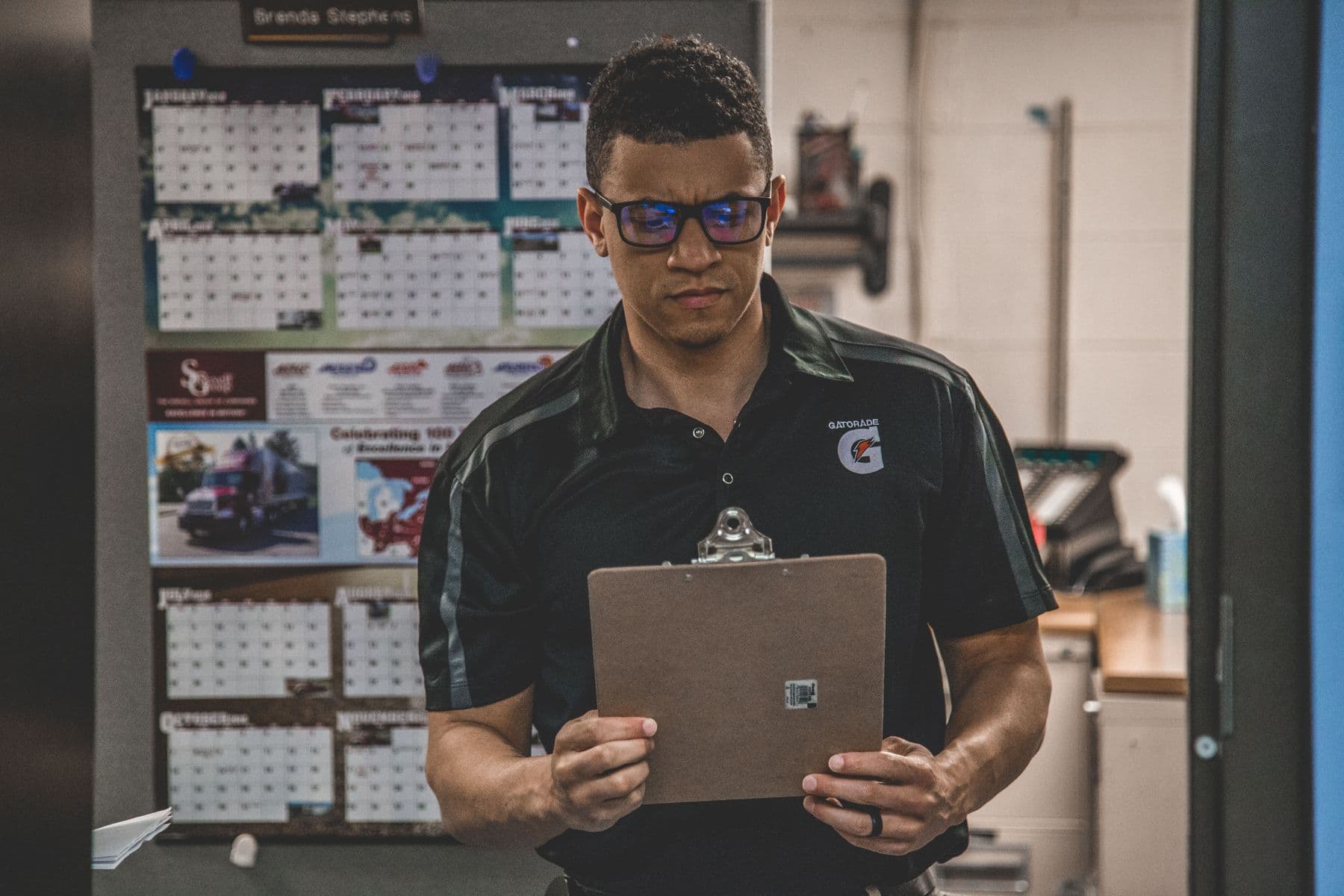
Define product requirements
Capture the range, security, orientation, packaging and exposure limits.
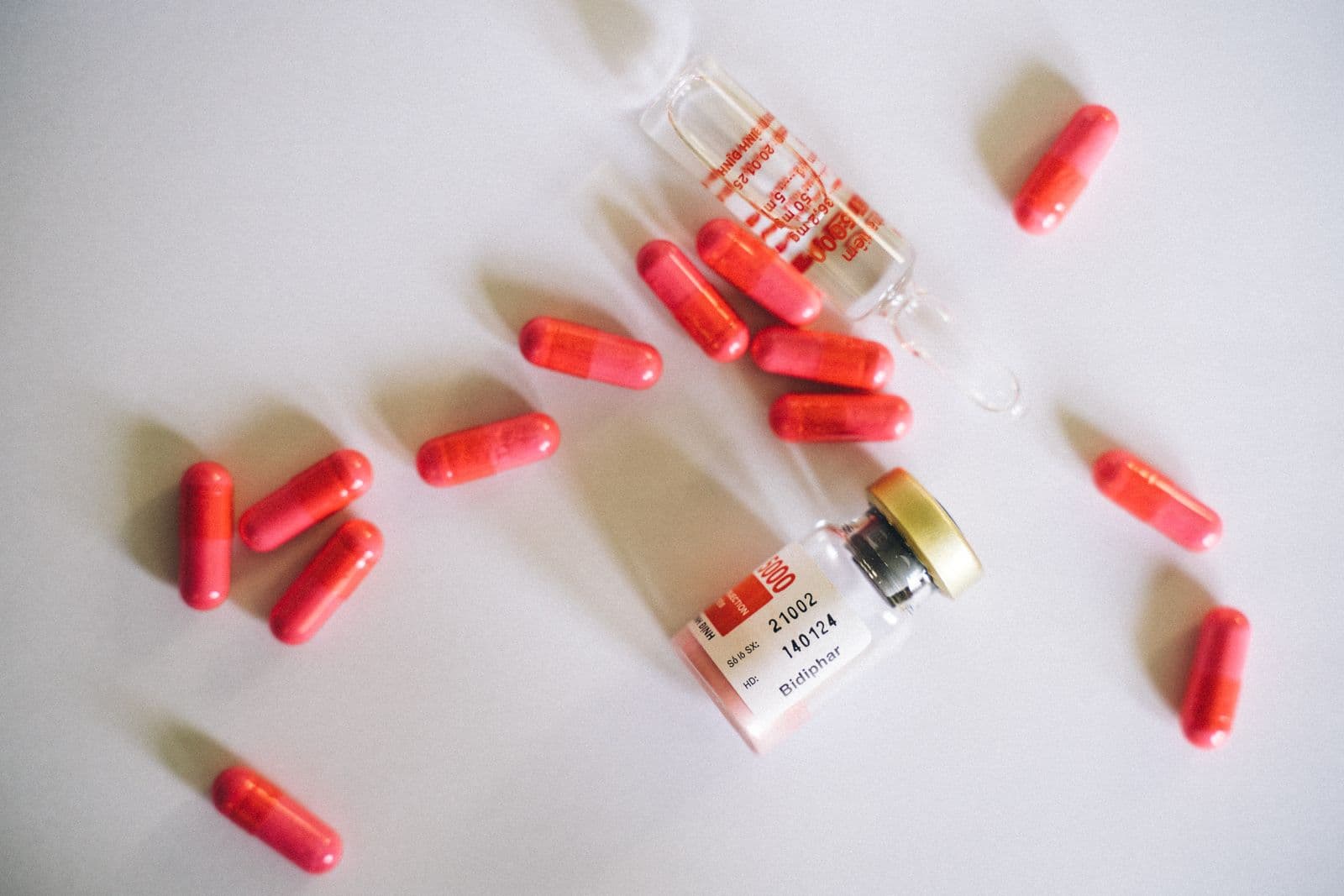
Life-science logistics
Product-specific transport controls for medicines, samples, devices and clinical materials.
Conditions
Product specific
Monitoring
Agreed evidence
Handover
Named recipient
Operations
Available 24/7
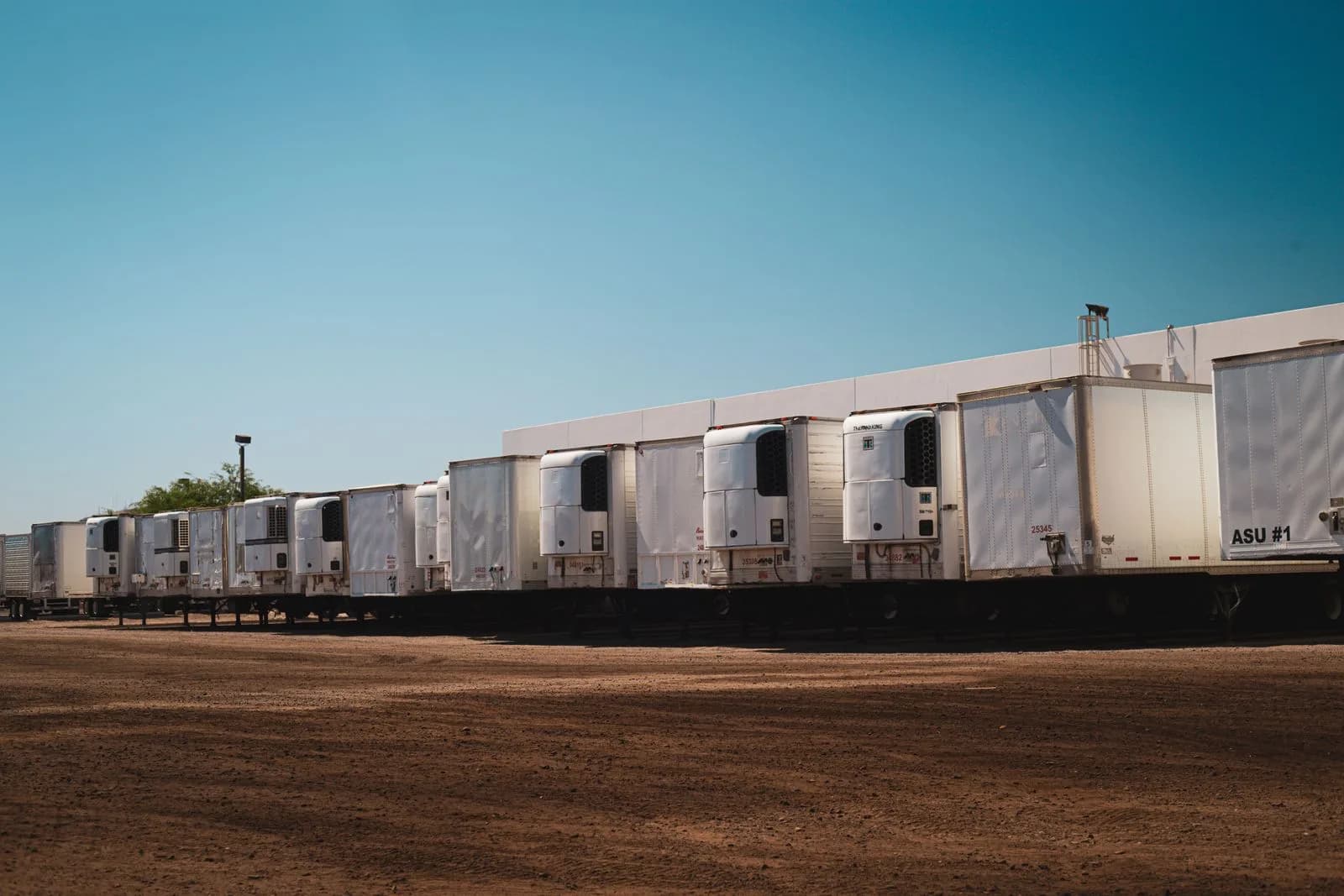
The product owner must define storage conditions, packaging, security, monitoring and release requirements for the specific product and lane. A risk-based plan then controls vehicle preparation, exposure during loading, route duration, handover and excursion response. A generic cold-chain label is not a substitute for product-specific instructions.
Operational control for life-science logistics
Chain of custody should identify who released, transported and accepted the consignment, with times and condition evidence appropriate to the product risk. Seal numbers, package counts, logger IDs and named signatures may be required. The record format should be agreed before collection so evidence is consistent and reviewable.
| Record | Purpose |
|---|---|
| Release | Confirms authorised collection, package count and condition. |
| Transport | Links vehicle, driver, seal and monitoring details to the load. |
| Exception | Records delay, damage, temperature or security events. |
| Receipt | Identifies recipient, time, condition and evidence transfer. |
How the movement is controlled
Operations reviews the product instructions, lane duration, packaging and evidence standard before confirming equipment. Collection and delivery contacts are checked for authorisation and availability. The driver follows the agreed handling plan, while any temperature, timing, damage or security exception is escalated without making an unauthorised product decision.
Capture the range, security, orientation, packaging and exposure limits.

Assess duration, ambient risk, handovers, delays and out-of-hours access.
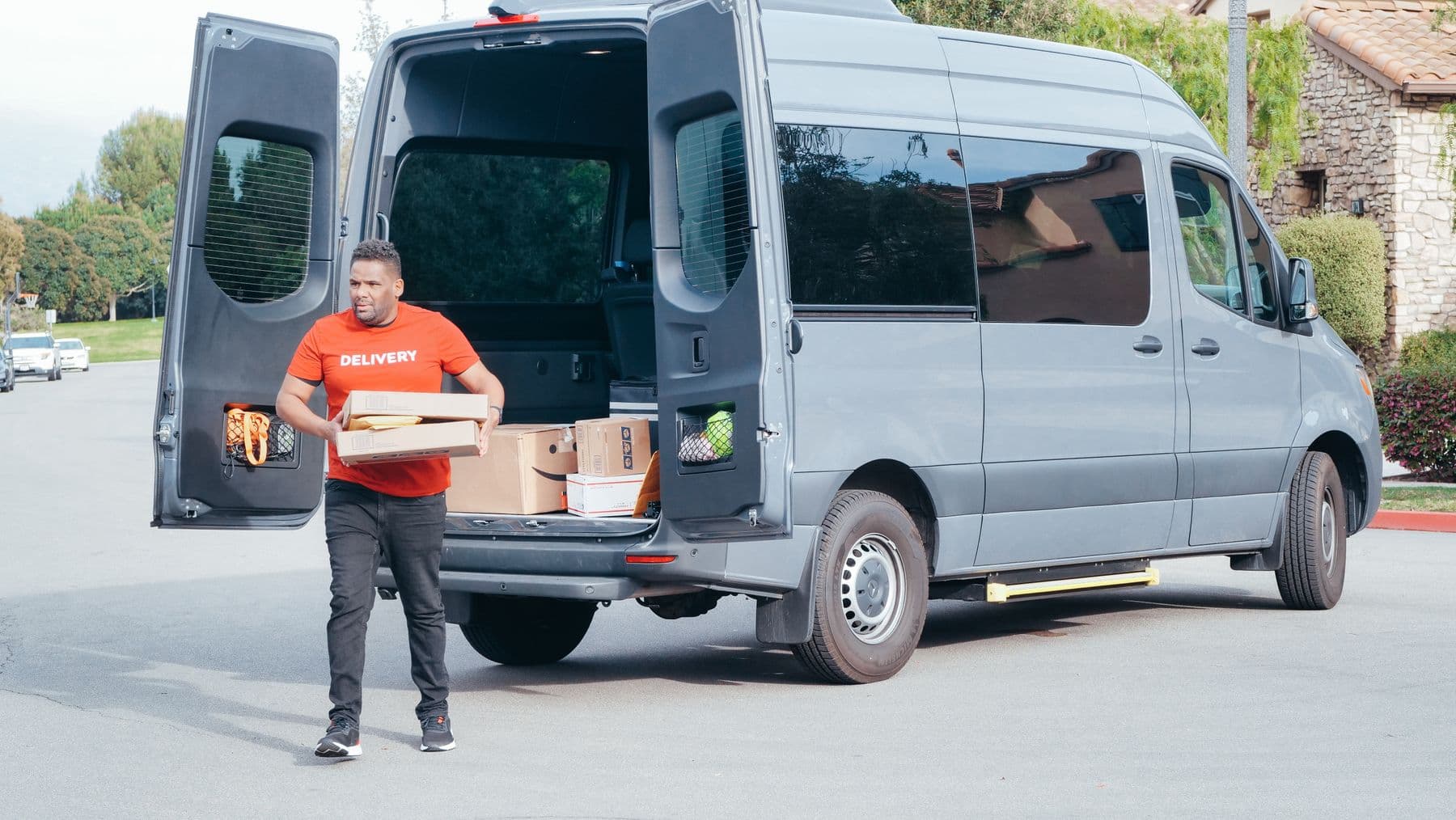
Prepare equipment, limit exposure and maintain the agreed custody record.
Return delivery confirmation, logger output and exception records for review.
The shipper must state the product description, packaging, required range, monitoring method, documentation and authorised recipient. Operations only confirms the vehicle after those controls and the complete route have been assessed.
Typical cargo
Written handling and temperature requirements replace assumptions.
Named contacts protect collection and final receipt.
Escalation instructions are agreed before the vehicle leaves.
Route, timing, cargo, handling constraints and site conditions determine the usable vehicle plan. Complete information lets operations qualify the movement without avoidable assumptions.
Send the route, cargo and timing details. Operations will confirm the vehicle plan and any information still required.