Stabilise the exception
Confirm freight location, condition, custody and immediate safety needs.
Carrier support
White-label capable transport support for overflow, rescue work and service recovery.
Use cases
Overflow and rescue
Control
Job reference led
Coverage
UK and Europe
Operations
Available 24/7
Dedicated recovery capacity fits missed collections, breakdown rescue, rejected trunk freight, out-of-gauge exceptions and final-mile failures where the original network cannot protect the commitment. The subcontract plan should preserve the principal carrier's customer instructions, reference structure, communication rules and proof requirements from collection through closeout.
Operational control for carrier support
A written communication protocol should define branding, who contacts the shipper and consignee, which references appear on proof, and how exceptions are escalated. The recovery carrier needs enough information to execute safely without creating conflicting messages, unauthorised promises or direct commercial discussion with the end customer.
| Control | Agreement |
|---|---|
| Identity | Branded, neutral or principal-carrier representation. |
| Communication | Who may contact each party and what can be discussed. |
| References | Job, consignment and purchase-order fields required on proof. |
| Exception route | Named operational and commercial escalation contacts. |
How the movement is controlled
Operations confirms load condition, custody, location and the original service commitment before selecting recovery capacity. The new vehicle receives controlled collection and delivery instructions under the agreed communication protocol. Proof and exception evidence return to the principal carrier so its transport-management record remains complete and customer communication stays consistent.
Confirm freight location, condition, custody and immediate safety needs.
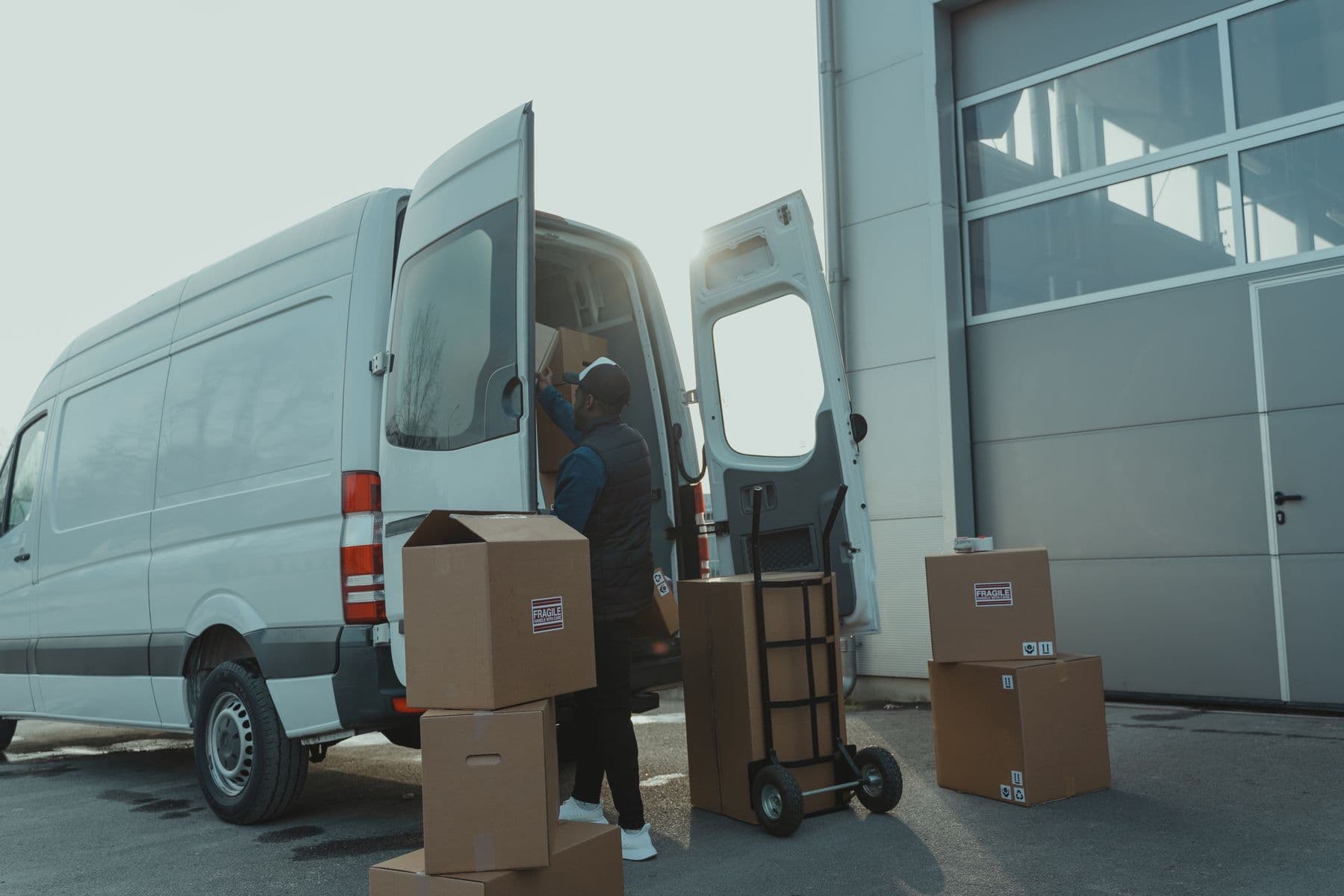
Record the latest acceptable delivery and customer communication rule.

Match vehicle, handling, route and compliance requirements to the load.
Supply proof, timings, waiting and exception evidence to the principal carrier.
Operations identifies the failed leg, cargo location, delivery commitment and handling requirement before sourcing replacement capacity. The recovery vehicle is then controlled against the real customer deadline, not the original schedule.
Typical cargo
Establish where the cargo is physically available.
Check payload, pallets, loading and access before assignment.
Provide decision-led updates through final proof of delivery.
Port and freight recovery
Scottish haulage support
East Midlands national route access
Route, timing, cargo, handling constraints and site conditions determine the usable vehicle plan. Complete information lets operations qualify the movement without avoidable assumptions.
Send the route, cargo and timing details. Operations will confirm the vehicle plan and any information still required.