Read the logistics plan
Extract booking, route, vehicle, PPE and arrival requirements.

Construction logistics
Site-ready transport planned around slots, routes, unloading controls and project safety rules.

Site control
Slot and route
Equipment
Load matched
Options
HIAB and Moffett
Operations
Available 24/7
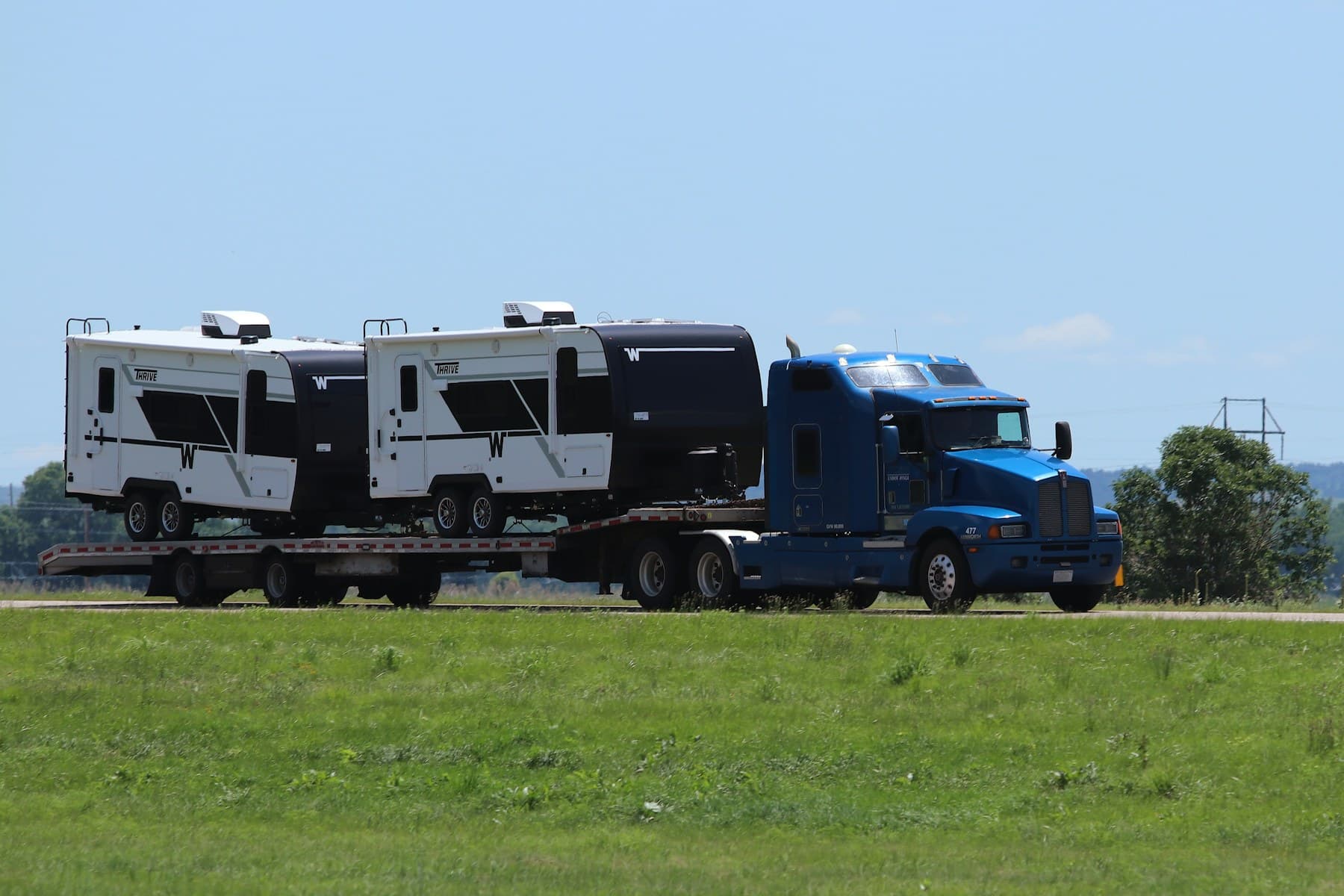
Construction deliveries commonly fail because the booking omits the delivery slot, route, vehicle limit, induction, PPE or unloading responsibility. A postcode gets the driver near the project but does not secure admission. The transport brief must mirror the current construction logistics plan and name the person controlling site acceptance.
Operational control for construction logistics
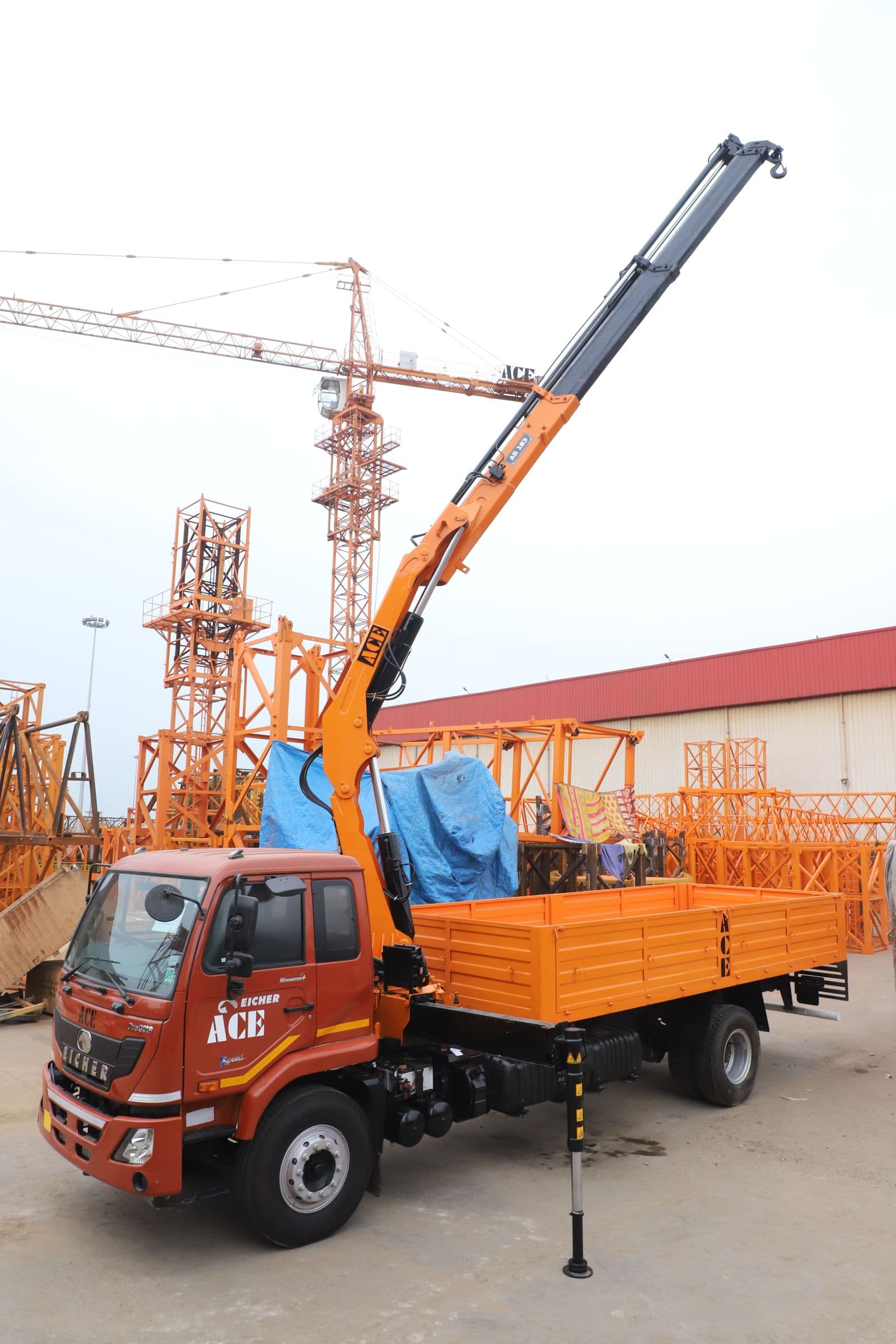
Specialist unloading is required when the site cannot safely remove the load using available equipment or labour. A HIAB, Moffett, tail lift or site crane must be selected from verified load and access data. Lift radius, ground condition, placement and exclusion controls matter as much as payload weight.
| Requirement | Planning evidence |
|---|---|
| HIAB | Weight, lift points, radius, ground and landing zone. |
| Moffett | Fork entry, ground surface, travel path and placement area. |
| Tail lift | Platform rating, load footprint and safe onward movement. |
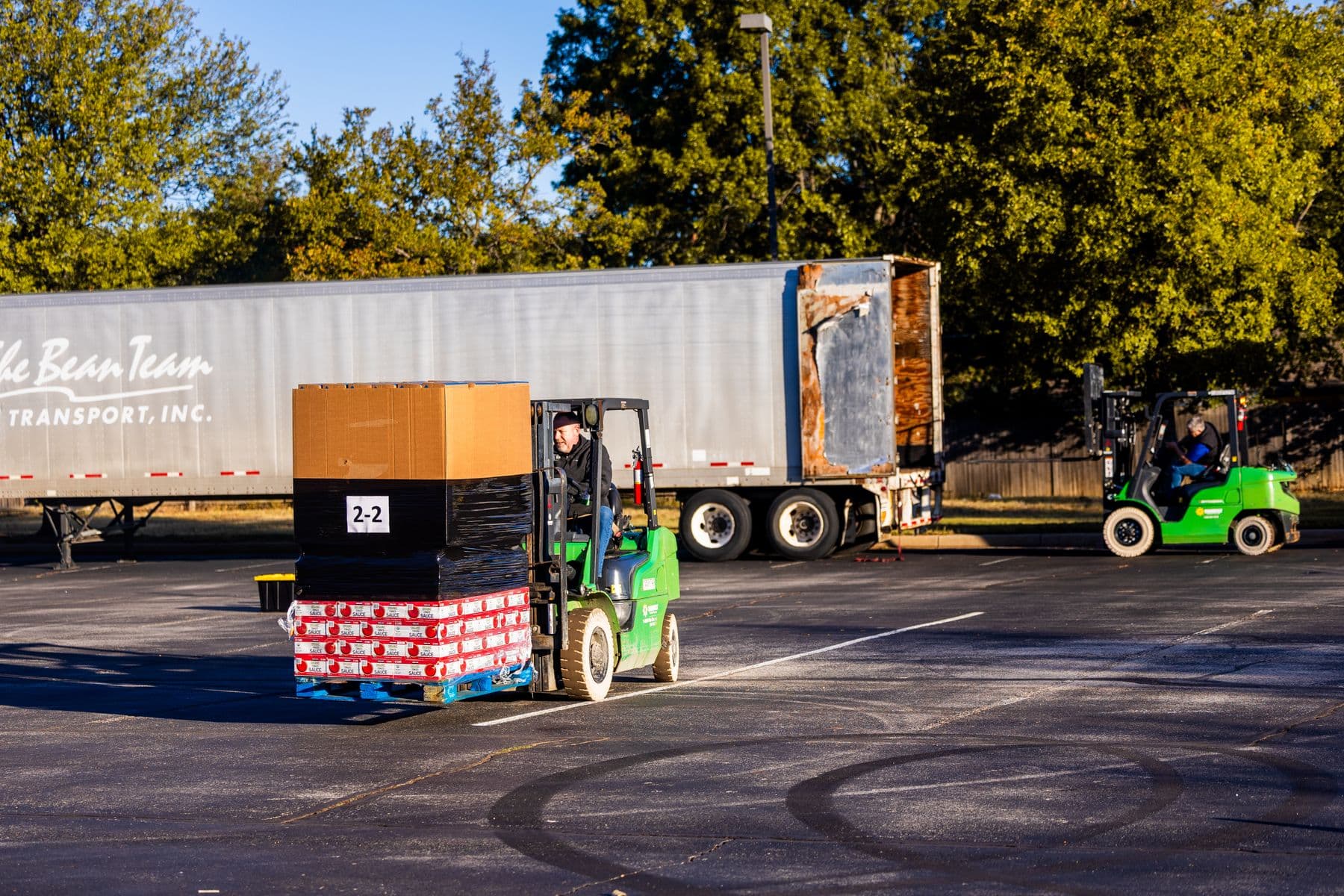
| Site offload | Confirmed crane or forklift, operator and unloading slot. |
How the movement is controlled
Operations reviews the project delivery plan alongside cargo and vehicle data, then confirms the slot and unloading owner. The driver receives one site brief covering route, holding, PPE and arrival contact. Any changed access or lift condition is reassessed before unloading rather than improvised at the gate.
Extract booking, route, vehicle, PPE and arrival requirements.
Select transport and unloading equipment from verified site data.
Secure the reference, delivery manager and lateness procedure.
Capture proof, shortages, damage, waiting and any access exception.
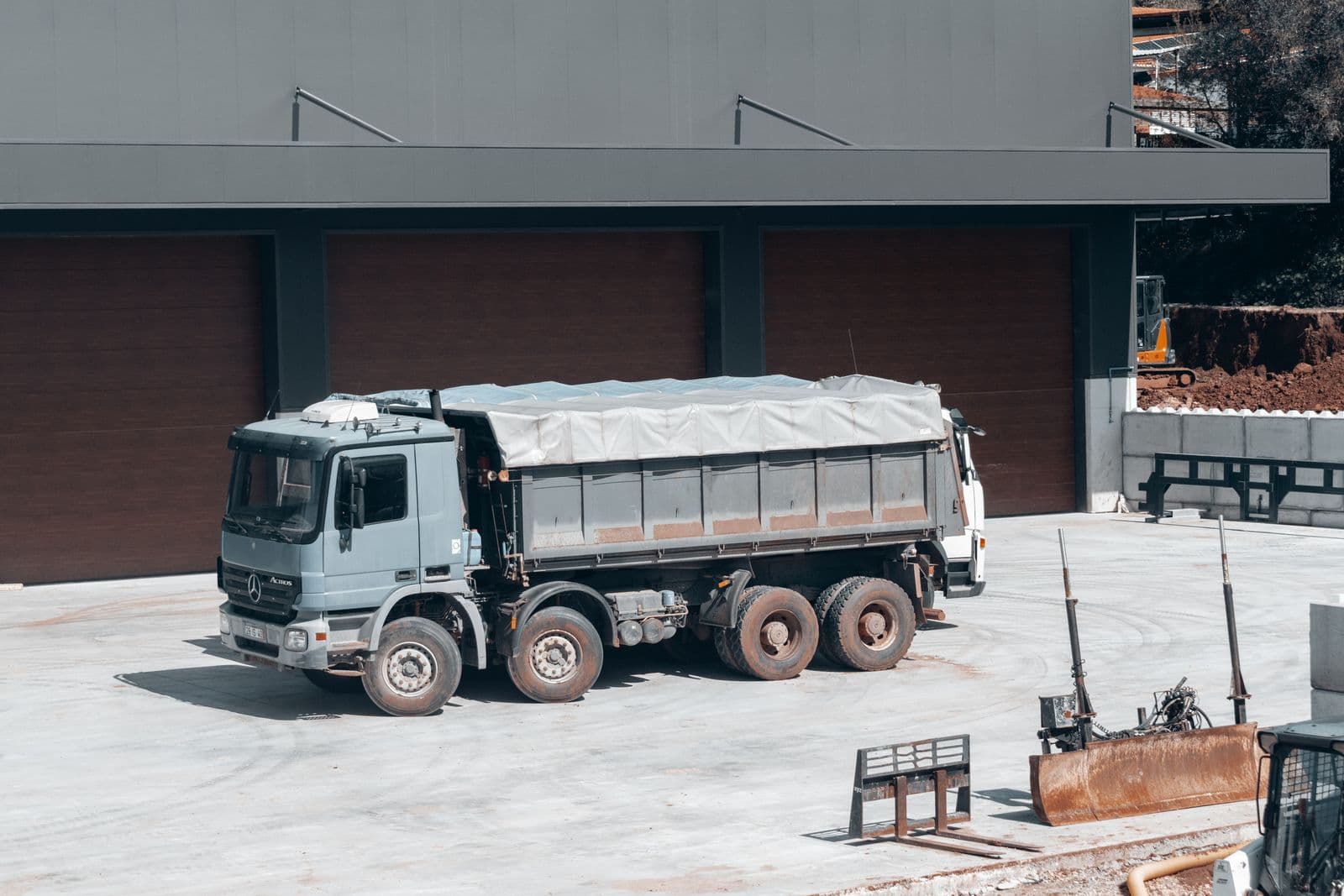
Vehicle access, booking slot, lifting responsibility, ground conditions, load geometry and placement position must be known before allocation. HIAB and Moffett work also requires a practical unloading assessment, not only the load weight.
Typical cargo
Confirm induction, route, PPE and FORS requirements.
Provide load weight, radius and intended placement.
Align the driver with the gate and receiving team.
FORS and restricted urban sites
Major Midlands projects
Infrastructure and industrial delivery
Route, timing, cargo, handling constraints and site conditions determine the usable vehicle plan. Complete information lets operations qualify the movement without avoidable assumptions.
Send the route, cargo and timing details. Operations will confirm the vehicle plan and any information still required.